Holistic Metrics Dashboard: 120590870, 693121849, 965914510, 919269341, 277553500, 615861493

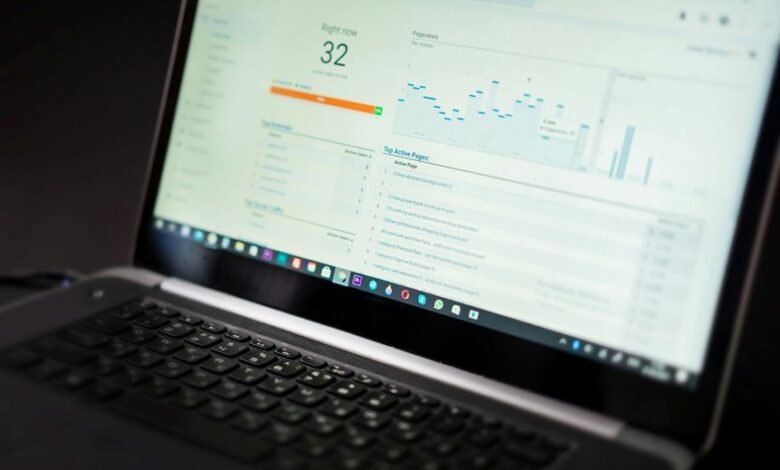
The Holistic Metrics Dashboard presents a structured approach to performance evaluation. It consolidates key performance indicators like 120590870 and 965914510 into a cohesive framework. This integration allows stakeholders to analyze diverse data sets effectively. As organizations increasingly prioritize data-driven strategies, understanding the implications of these metrics becomes essential. The next steps in leveraging this dashboard could reveal insights that significantly shape strategic outcomes. What might these insights entail?
Understanding Holistic Metrics Dashboards
Holistic metrics dashboards serve as comprehensive tools for organizations seeking to integrate various performance indicators into a single, coherent view.
Effective dashboard design enhances user engagement by presenting data in an accessible manner, allowing stakeholders to make informed decisions.


Key Performance Indicators Explained
Key performance indicators (KPIs) serve as quantifiable measures that organizations use to evaluate their success in achieving specific objectives.
The indicator significance lies in their ability to provide actionable insights, guiding decision-making processes.
Integrating Unique Data Sets
While organizations increasingly rely on diverse data sources to inform their strategies, the integration of unique data sets remains a critical challenge.
Achieving data synergy requires meticulous analytics integration, as disparate data formats and sources can hinder effective analysis. Organizations must adopt robust methodologies to unify these sets, ensuring that insights derived are comprehensive and actionable, ultimately enhancing strategic decision-making capabilities.
Benefits of Data-Driven Decision Making
A significant advantage of data-driven decision making lies in its ability to enhance accuracy and efficiency across various organizational processes.
By leveraging data accuracy, organizations can derive strategic insights that inform pivotal actions.
This empirical approach not only minimizes risks but also fosters a culture of innovation and adaptability, empowering teams to make informed choices that align with overarching objectives, ultimately driving success.
Conclusion
In conclusion, the Holistic Metrics Dashboard serves as an essential tool for organizations seeking to optimize performance through data integration and analysis. By synthesizing key performance indicators, the dashboard not only enhances user engagement but also supports strategic decision-making. As businesses navigate a landscape increasingly influenced by data, one must ask: how can leveraging such dashboards reshape our understanding of success? Ultimately, the dashboard fosters a culture of informed choices aligned with organizational goals, paving the way for sustainable growth.