Your heart jumps when you see blue lights in the mirror. You pull over and hear the words “reckless driving.” In that moment, fear, shame, and anger can crush your clear thinking. Yet what you do in the next few minutes can shape your record, your license, and your freedom. This guide walks you through each step. You will learn what to say, what not to say, and how to protect yourself with calm choices. You will see how a simple “yes” or “no” can affect your case. You will also understand when to stay silent and when to ask for a lawyer. If charges follow, you may need a Savannah DUI Lawyer who understands local courts and judges. You are not alone. You can face this stop with a steady head and a clear plan.
Stay calm and pull over safely
First, take a slow breath. Then act with care.
- Turn on your blinker right away.
- Move to the right side of the road when it is safe.
- Choose a well lit place if you can.
Next, put the car in park. Then turn off the engine. Keep your hands on the wheel where the officer can see them. At night, turn on your inside light. This step lowers tension and can protect you and the officer.


Know what you must show and what you may keep private
You must share three things when asked.
- Driver’s license
- Vehicle registration
- Proof of insurance
Have these ready, but move slowly and tell the officer what you are doing. For example, say “My license is in my wallet in my back pocket.” Then wait for a response before reaching.
You do not need to answer every question. You can say “I choose not to answer” in a calm voice. This choice can guard you from saying something that hurts you later.
Watch your words during the stop
Reckless driving is often a crime, not just a ticket. Many states treat it as a misdemeanor that can bring fines, license points, or even jail. Your words can become evidence. Police reports and body cameras can record what you say.
Use three simple rules.
- Do not argue.
- Do not admit guilt.
- Do not lie.
If the officer says “Do you know why I stopped you” you can say “I am not sure.” If asked “Were you speeding on purpose” you can say “I would like to remain silent.” This is firm and respectful.
See also: Moerie Lawsuit Update: Latest Developments
Understand what reckless driving might mean
Laws differ by state. Yet some behaviors often lead to reckless driving charges.
- Very high speeds
- Racing other cars
- Weaving through traffic
- Passing on curves or in no passing zones
- Driving too close to other cars
You can read your state traffic laws through your state motor vehicle agency. For example, the Georgia Department of Driver Services explains how traffic offenses affect your record and points. This type of site shows how serious a reckless charge can be.
Field tests, breath tests, and your choices
The officer might ask you to step out of the car. Follow that order. It is lawful. Once outside, the officer may offer field sobriety tests. These include standing on one leg, walking and turning, or following a light with your eyes.
In many states you do not have to take these roadside tests. They can be hard even when sober. You can say “I choose not to do these tests.” Laws differ, so you should learn your state rules before you drive.
Breath and blood tests follow other rules. Many states use “implied consent” laws. When you drive, you agree to chemical tests after a lawful arrest for driving under the influence. Refusing a chemical test can bring license loss even if you are not convicted. The National Highway Traffic Safety Administration explains how implied consent laws work in practice.
How reckless driving compares to a simple speeding ticket
The label on your citation can shape your future. Here is a basic comparison. Your state law may differ.
| Issue | Speeding Ticket | Reckless Driving Charge |
|---|---|---|
| Type of offense | Usually a traffic infraction | Often a misdemeanor crime |
| Possible jail | Rare | Possible short jail term |
| Fines | Lower range | Higher range |
| License points | Fewer points | More points |
| Insurance impact | Rate increase is common | Rate increase is stronger |
| Criminal record | Often no criminal record | Often stays on record |
What to do after you receive the citation
When the stop ends, the hard part starts. You may feel guilt or anger. Yet your next steps can reduce harm.
Follow three steps right away.
- Read the citation from top to bottom.
- Mark your court date on a calendar.
- Write down everything you remember about the stop.
Include time, place, traffic, weather, and what the officer said. Memory fades fast. Your notes can help a lawyer or the judge understand what happened.
When to seek legal help
A reckless driving charge can affect work, school, and family. It can also shape college and job chances. You do not have to face court alone. A local defense lawyer who understands traffic crimes can review your case, explain choices, and speak for you in court.
In some cases, a lawyer can ask for a lower charge, a safety class, or other options that protect your record. The sooner you reach out, the more choices you may have.
Protect yourself and your family going forward
After a close call, you can change how you drive. This protects you and everyone around you.
- Plan extra time so you do not feel rushed.
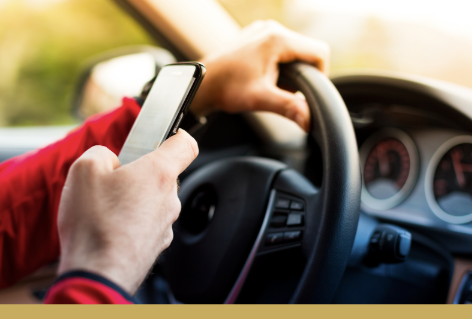
- Put your phone out of reach.
- Set cruise control where safe.
Talk with your family about safe driving. Share what you learned. Young drivers watch how you act behind the wheel. Your calm choices during and after a traffic stop can teach them more than any lecture.
You cannot erase the traffic stop. Yet you can face it with courage, clear steps, and respect for the law. That choice protects your record, your license, and your peace of mind.