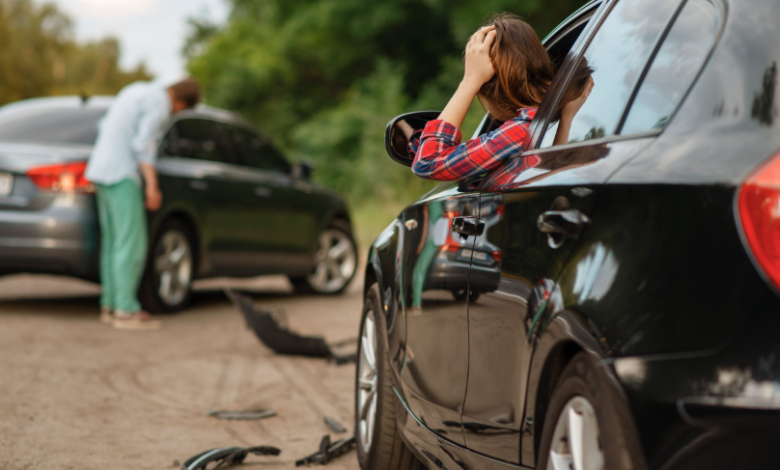
Intersections can change your life in one second. You follow the light. You trust other drivers. Then a sudden crash tears through your day. This blog shows you which crossings carry the highest risk and why they are so unforgiving. You see where speeding, distractions, and confusion come together. You learn what patterns repeat at these spots. You also get clear steps to protect yourself and your family when you pass through them. Every turn, every left-hand gap, every short yellow light matters. You deserve to know where danger hides in plain sight. If you or someone close to you already suffered a wreck at one of these intersections, help exists. You can look for legal support at chrishartlaw.com and use that information to stand up for your rights. Your drive should not end in fear, sirens, and regret.
Why intersections are so dangerous
You face risk at every intersection. Traffic moves in many directions. People turn across paths. Some rush yellow lights. Others glance at phones. One mistake can hit several cars at once.
The Federal Highway Administration states that intersection crashes cause a large share of serious injuries and deaths in the United States. You can read more data on its site at FHWA Intersection Safety Overview. That data shows a clear pattern. When people cross paths, danger grows fast.

Three forces raise that danger.
- Complex choices. You judge gaps, watch lights, and track people walking.
- Mixed speeds. Some drivers stop. Others push through.
- Blind spots. Parked cars, signs, and buildings hide what comes next.
Common types of dangerous intersections
You can spot risky intersections by how they work. Some designs demand more from every driver.
- High speed crossroads. Wide roads with fast limits and short yellows leave little room for error. Red light running and severe side impacts rise here.
- Multi lane left turn zones. When you turn across several lanes of oncoming traffic, one missed car can hit you hard. Confusing arrows make this worse.
- Skewed or odd angles. Intersections that do not meet at right angles strain your view. You turn your head farther and lose sight of bikes and people walking.
- Wide suburban or rural junctions. Long gaps between signals and high speeds invite risky moves. People misjudge how fast other cars approach.
- Busy school and shopping routes. Many driveways, walkers, and buses create chaos. Drivers focus on finding exits and miss cross traffic.
Patterns that raise crash risk
Intersections become dangerous when the same patterns repeat. You can learn to spot those patterns and change how you drive.
- Red light running. Some drivers race the yellow and enter late. That often leads to T bone crashes that cause severe harm.
- Left turn conflicts. Turning left across traffic is one of the most common crash types. People rush through short arrows or misread oncoming speed.
- Distraction. Phones, screens, and food steal attention in the few seconds when you need it most.
- Impaired driving. Alcohol and drugs slow reaction time. That makes gap judgment at intersections very poor.
- Failure to yield to people walking or biking. Drivers look for large vehicles and miss smaller shapes in crosswalks or bike lanes.
The National Highway Traffic Safety Administration explains how these behaviors drive crash numbers. You can review its statistics at NHTSA Traffic Safety Facts. Those numbers tell a hard truth. Choices at intersections decide who gets home.
See also: How Do Predicate Offence Examples Influence Anti-Money Laundering Laws?
Typical dangerous intersection features
You cannot always know exact crash counts for each corner in your town. Yet you can use common features as warning signs. The table below compares some types of intersections and their general risk patterns for drivers.
| Intersection type | Common crash pattern | Main causes | Simple safety steps |
|---|---|---|---|
| High speed urban crossroads with signals | Right angle crashes and rear end hits | Red light running and short following distance | Slow early. Cover the brake. Count to one before entering on green. |
| Left turn at multi lane road | Side impact during turn | Poor gap judgment and blocked views | Wait for clear lanes. Do not turn on a stale yellow. Move your head to check all lanes. |
| Stop sign crossing of fast rural highway | High speed T bone or angle crash | Rolling stops and misreading oncoming speed | Stop fully. Look left right left again. Recheck just before you move. |
| Busy shopping corridor with many driveways | Low speed side and rear end crashes | Frequent turns and sudden stops | Lower speed. Leave large gaps. Expect sudden lane changes. |
| School zone intersection | Vehicle and pedestrian conflicts | Speeding and inattention | Cut speed far below the limit. Scan for kids on both curbs. |
How to protect yourself at risky intersections
You cannot change the design of a road during your drive. You can change your habits. Three steps improve your odds every time.
- Slow early. Ease off the gas before you reach the stop line. That gives you time to read the scene and react.
- Scan with purpose. Look left, right, then left again. Then look across the intersection for turning cars, bikes, and people.
- Wait that extra second. When the light turns green, pause briefly before you move. That short pause can save you from a red light runner.
You can also protect children and older family members who ride with you. Talk with them about not shouting or pointing at screens when you approach intersections. Calm in the car supports clear focus on the road.
What to do after an intersection crash
If a crash happens, you may feel shock and anger. You still need to act with care.
- Move to a safe place if you can.
- Call 911 and report any pain or confusion.
- Take photos of the scene, signals, and vehicle positions.
- Get names and contact details from witnesses.
- Write down what you remember while it is fresh.
Later, you can talk with medical staff and legal support to understand your rights.
Take back control at intersections
You cross intersections many times each day. You may not think about them until something goes wrong. You cannot erase risk, yet you can cut it. You do that by learning where danger grows and by driving with intent.
Each time you slow early, scan wide, and wait that one extra second, you protect yourself and your family. You also protect people you will never meet. That quiet act of care is how you turn a dangerous crossing into a safer one.