Innovative Market Trends: 662999308, 8174761844, 680666550, 6782758954, 689683072, 4048064811

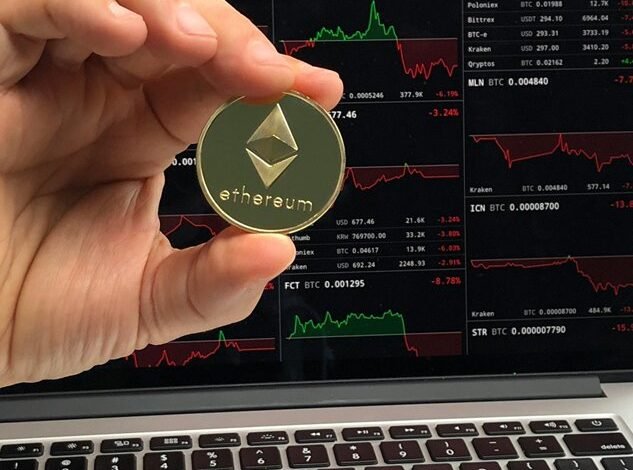
Innovative market trends are significantly influenced by the convergence of emerging technologies and changing consumer behaviors. The rise of AI, blockchain, and augmented reality is transforming operational efficiencies and customer interactions. Concurrently, a growing emphasis on sustainability is altering consumer preferences towards eco-conscious products. Understanding these dynamics is critical for businesses aiming to maintain competitiveness. The implications of these trends on market strategies warrant further exploration.
Emerging Technologies and Their Impact on Business
As businesses navigate an increasingly complex landscape, the integration of emerging technologies has become pivotal in shaping their operational strategies and market positioning.
Artificial intelligence and machine learning optimize decision-making, while blockchain technology enhances transparency. Augmented reality offers immersive customer experiences, and the Internet of Things facilitates real-time data collection.


Cloud computing provides scalable resources, enabling businesses to adapt swiftly to market demands.
Shifting Consumer Behaviors in the Digital Age
While the digital age has revolutionized access to information, it has also significantly altered consumer behaviors.
The pervasive influence of social media has reshaped purchasing decisions, as consumers increasingly rely on online reviews and influencer endorsements.
Additionally, the rise of online shopping has shifted preferences towards convenience and immediacy, prompting businesses to adapt their strategies to meet the evolving demands of digitally-savvy consumers.
Sustainability Trends Reshaping Industries
The digital age has not only transformed consumer behaviors but has also catalyzed a broader awareness of sustainability across various industries.
Companies increasingly adopt eco-friendly packaging solutions and invest in renewable energy sources, reflecting a commitment to environmental responsibility.
These trends not only enhance brand reputation but also cater to the growing consumer demand for sustainable practices, ultimately reshaping market dynamics and competitive landscapes.
The Role of Data Analytics in Market Strategy
Harnessing data analytics has emerged as a pivotal strategy for businesses aiming to navigate complex market landscapes.
By employing data visualization techniques, organizations can effectively interpret vast datasets, transforming raw information into actionable insights.
Additionally, predictive modeling enables firms to forecast market trends and consumer behavior, allowing for informed decision-making.
Ultimately, these analytical tools empower businesses to adapt and thrive in a dynamic environment.
Conclusion
As the tapestry of market dynamics weaves itself with threads of innovation and sustainability, businesses must navigate this intricate landscape with agility and foresight. The confluence of emerging technologies and shifting consumer behaviors paints a vivid portrait of opportunity and challenge. In this ever-evolving arena, data analytics emerges as the compass guiding strategic decisions, ensuring that organizations not only keep pace but also flourish amidst the currents of change, securing their place in the future marketplace.