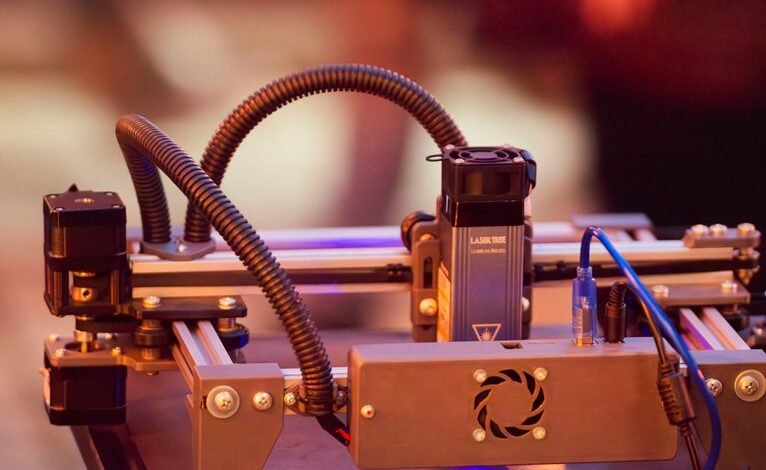
The Smart Industry Perspective 6038026679 highlights the transformative impact of IoT and data analytics on market dynamics. As industries embrace interconnected frameworks, they achieve notable enhancements in efficiency. However, this progress is accompanied by significant challenges, particularly in data security and regulatory compliance. Understanding the intricacies of these developments and the potential for strategic partnerships raises important questions about the future trajectory of smart industries. What innovations will emerge to address these pressing issues?
Key Trends Driving Smart Industry Innovations
As industries increasingly embrace digital transformation, several key trends are reshaping the landscape of smart industry innovations.
Central to this evolution is IoT integration, enabling seamless connectivity and communication among devices.


Coupled with advanced data analytics, organizations can derive actionable insights, fostering improved decision-making and operational efficiency.
These trends signify a shift towards a more interconnected and intelligent industry framework, promoting autonomy and innovation.
Challenges Facing the Smart Industry Landscape
Numerous challenges confront the evolution of the smart industry landscape, impeding its full potential.
Key issues include data security vulnerabilities, stringent regulatory compliance requirements, and difficulties in workforce integration.
Additionally, uneven technology adoption and significant infrastructure limitations hinder progress, while escalating market competition forces companies to innovate rapidly.
These factors collectively create a complex environment that demands strategic solutions for sustainable advancement.
Opportunities for Growth and Development
While challenges persist, the smart industry landscape also presents significant opportunities for growth and development.
Market expansion is increasingly feasible through strategic partnerships and innovative approaches.
Furthermore, technology integration enables businesses to optimize operations, enhance productivity, and respond to consumer demands effectively.
Real-World Applications and Success Stories
The impact of smart industry innovations is evident through a variety of real-world applications that demonstrate their transformative potential. Notable examples include IoT integration in manufacturing, where predictive maintenance has led to significant cost reductions.
Additionally, automation success in logistics has streamlined operations, enhancing efficiency and reducing human error. Such advancements indicate a promising future for industries embracing these technologies, fostering greater autonomy and productivity.
Conclusion
In conclusion, the evolution of smart industries is akin to a river carving its path through a landscape, continuously shaping and reshaping the terrain of operational efficiency and innovation. While challenges such as data security and regulatory compliance pose significant hurdles, the potential for growth through strategic partnerships and technology integration remains robust. As industries navigate this dynamic environment, the promise of digital transformation offers a beacon of hope, guiding them toward a more interconnected and efficient future.