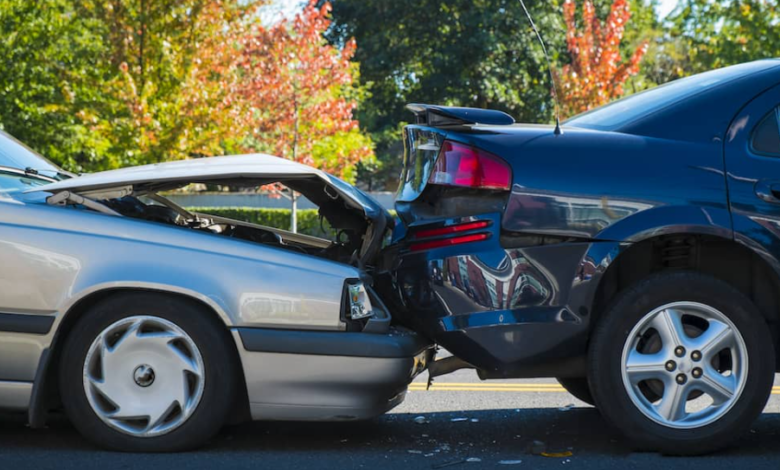
Truck crashes in Daytona do not feel simple. You face pain, car damage, missed work, and a maze of blame. A truck driver may be at fault. A trucking company may share blame. A shipper, a parts maker, or even a road crew may also carry legal responsibility. Each one points at the others while you wait for answers and money you need. This blog explains how multiple liability works in Daytona truck versus passenger vehicle crashes. You learn who may be responsible, how fault is split, and what evidence matters. You also see how insurance companies use confusion to delay or reduce payment. You do not have to accept that. You can ask hard questions and protect your claim. You can also review help at https://www.myaffordableattorney.com/ as you weigh your next step.
Why truck versus car crashes create many sources of blame
A crash between two cars is hard enough. A crash between a large truck and a passenger car adds layers of responsibility. You deal with more people, more rules, and more money at stake.
Large trucks are commercial vehicles. They often involve:


- A driver
- A trucking company
- A freight broker or shipper
- A truck owner, if different from the company
- Repair shops and parts makers
- Government or contractors who maintain the road
Each one may have a role in what happened. Each one may carry insurance. Each one may try to push fault onto someone else. That delay hurts you.
Common causes that point to multiple liability
Many truck crashes do not come from one single bad choice. Instead, several failures stack up. When you look at those failures, you often see shared responsibility.
Frequent causes include:
- Driver fatigue from long hours
- Speeding or tailgating in traffic
- Distracted driving
- Poor truck maintenance
- Overloaded or unbalanced cargo
- Defective brakes or tires
- Unsafe road work zones
The Federal Motor Carrier Safety Administration reports that speeding and driver distraction are major factors in truck crashes across the country. You can review national data and safety rules at the FMCSA safety and crash statistics page.
See also: fast business assistance number
Who may be legally responsible in a Daytona truck crash
Liability means legal responsibility for harm. In a Daytona truck versus car crash, more than one person or company may share that burden.
Here are common parties and how they may be at fault.
- Truck driver. May be responsible for speeding, fatigue, drug or alcohol use, distraction, or poor judgment in traffic.
- Trucking company. May be responsible for unsafe schedules, poor training, and failure to check a driver’s record. May also be responsible for bad hiring choices.
- Truck owner. If another company owns the truck, it may be responsible for poor maintenance or unsafe equipment.
- Shipper or loader. May be responsible for cargo that is too heavy, loose, or stacked in a risky way.
- Parts maker. May be responsible for defective brakes, tires, or other parts that fail.
- Repair shop. May be responsible for careless repair work.
- Government or road contractor. May be responsible for unsafe road design, missing signs, or dangerous work zones.
Florida law allows you to hold more than one party responsible if they each played a part. That can change how much money you may recover from each one.
How fault is shared and why it matters to you
Florida follows a rule called comparative fault. This means a court or insurance company may assign a percentage of fault to each party, including you. Your recovery can drop by your share of fault.
For example, if your total losses are 100,000 dollars and you are 20 percent at fault, your possible recovery may drop to 80,000 dollars. If you are found more at fault than the truck driver and others, your recovery may shrink or vanish. That is why pushback on blame is so harsh.
You can learn more about Florida crash and injury data through the Florida Department of Health statistics and data portal. Facts from these sources can help show the scale of harm from large vehicle crashes.
Comparison of truck versus passenger vehicle crashes
Truck crashes often cause more harm than car only crashes. Size and weight matter. So does the number of parties involved. The table below shows key differences.
| Factor | Truck vs Passenger Vehicle Crash | Passenger Vehicle vs Passenger Vehicle Crash |
|---|---|---|
| Typical weight difference | Up to 20 to 30 times heavier than a car | Similar weight between both cars |
| Number of possible at fault parties | Driver, trucking company, owner, shipper, parts maker, repair shop, road crew | Usually one or two drivers and their insurers |
| Common injury severity | High risk of serious or life changing harm | Wide range from minor to serious harm |
| Key records needed | Logbooks, electronic data, maintenance files, cargo records, company policies | Police report, photos, basic medical records |
| Insurance pressure | Multiple insurers fight over fault and coverage | Fewer insurers and simpler policies |
Evidence that supports your claim
In a crash with possible multiple liability, proof is your shield. You need to lock down evidence early. Time hurts evidence. Weather, repairs, and routine cleaning erase signs from the crash.
Key proof can include:
- Photos and video from the scene
- Names and contact details for witnesses
- Police crash report and any citations
- Truck driver logbooks and electronic data recorders
- GPS records and dash camera footage
- Maintenance and inspection records for the truck and trailer
- Cargo loading records and weight tickets
- Medical records that show your injuries and treatment
Many of these records sit in the hands of the trucking company or its insurer. They may not share them without pressure or a legal duty. A prompt written request can help preserve key proof.
Insurance tactics in multiple liability crashes
Insurance companies use confusion to save money. When many parties are involved, they often:
- Blame each other to stall your claim
- Argue that your injuries came from old health problems
- Say the crash was a low impact event
- Offer low settlement amounts before you know the full cost
- Push you to give recorded statements that they can twist later
Each insurer wants to pay less and shift cost to someone else. That delay can hit your savings and create fear. Clear records and firm limits on what you say to insurers can protect you.
Steps you can take after a Daytona truck crash
You cannot control what happened on the road. You can control what you do next. After any truck versus car crash, you can:
- Call 911 and get medical care, even if you feel fine
- Report all symptoms, even small ones, to medical staff
- Take photos of vehicles, road, signs, and visible injuries
- Get names, phone numbers, and insurance details for all drivers
- Collect contact details for witnesses
- Write down what you remember as soon as you can
- Keep repair bills, wage loss records, and all receipts
- Avoid posting about the crash on social media
- Speak with a trusted legal advisor before talking at length with insurers
Multiple liability can feel like a storm that never ends. Yet clear steps, strong records, and steady support can help you move through it. You do not have to carry the weight alone while others argue over blame.