Clean carpets are the foundation of comfy and hygienic homes.
Yet, many homeowners fall into a cycle of cleaning that inadvertently does more harm than good, as certain habits can trap grime deeper within the carpet fibres rather than remove it.
Here are 6 common pitfalls to avoid to keep your carpets clean and beautiful for years to come.


Why You Should Stop Over-Wetting Your Carpets
One of the most common errors among DIYers is the belief that more water equals a better clean.
For example, when using rented steam cleaning machines or even manual carpet shampoos, it is tempting to saturate the area to lift stubborn stains. This is a big mistake–carpets are designed to be cleaned, not soaked.
Excess water can penetrate deep into the carpet backing and, in some cases, reach the underlay or the subfloor. Once moisture reaches these deeper layers, it takes a significant amount of time to dry.
And, in the humid British climate, carpets that stay damp for too long become a breeding ground for mould and mildew. Even if you cannot see the mould, the spores can release allergens into your living space.
Furthermore, water saturation can cause the carpet backing to separate or deteriorate, leading to rippling or buckling that is expensive to repair. The goal should always be a damp clean, not a wet wash.
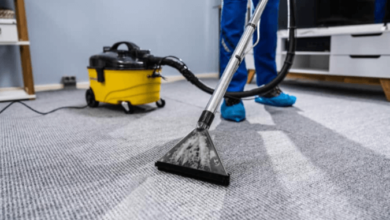
Aim for the minimum amount of water needed to activate your cleaning solution, and always prioritise high-suction extraction to pull as much moisture as possible back out.
See also: Why Everyone Needs a Dakimakura Pillow in Their Life
The Problem With Using Too Much Detergent
There is a common myth that if a little detergent is good, then a lot must be better. In reality, over-applying cleaning solutions is a recipe for long-term carpet damage.
That’s because when you use too much shampoo or detergent, it is almost impossible to rinse it all out completely. What remains instead is a sticky residue that clings to the carpet fibres like a magnet. This is exactly what acts as a dirt trap.
While the carpet might look clean immediately after you finish, the soap-covered fibres will attract and hold onto dust, pet dander, and foot traffic grime much faster than a clean carpet would.
Over time, this buildup causes the carpet to appear dull, discoloured, and prematurely aged. If you are cleaning manually, use less solution than the bottle suggests. If you are rinsing, rinse repeatedly with plain water until no more bubbles appear.
Ensuring your carpet is free of chemical residue is essential for keeping it cleaner for longer.
Why You Need To Vacuum Slowly
Vacuuming seems like such a simple task that many of us do it on autopilot, often while trying to get through the chore as quickly as possible.
However, the speed at which you move the vacuum cleaner nozzle is the single biggest factor in how much dust you actually remove.
If you move too quickly, the suction does not have enough time to lift the embedded particulate matter trapped deep in the pile. Many people tend to rush through the centre of a room and ignore the edges where dust inevitably settles.
So, to truly clean your carpet, you need to use slow, methodical passes. It is also important to vacuum in different directions—horizontal and vertical—to ensure the suction reaches all sides of the carpet fibres.
By slowing down your pace, you allow the machine to do the heavy lifting it was designed for, significantly increasing the amount of debris collected in your canister.
Stop Scrubbing Stains And Start Blotting Instead
When a spill happens, the immediate reaction is often panic, followed by vigorous scrubbing. This is understandable, but it is one of the most damaging actions you can take.
Carpet fibres are twisted and designed to hold onto soil. When you scrub a stain, you are not actually lifting the spill, but forcing the liquid deeper into the base of the carpet and fraying the fibres in the process.
Aggressive scrubbing can permanently distort the carpet’s texture, creating a “fuzzy” patch that will never look like the rest of the floor. Instead of scrubbing, you should always blot.
Use a clean, absorbent white cloth and apply firm, direct pressure to soak up as much of the liquid as possible. If the stain persists, it might be time to contact professionals who have the proper equipment and solutions to treat the area without damaging the pile.
For instance, when dealing with deep, set-in stains or delicate heirloom rugs, seeking out professional carpet cleaners St Albans residents rely on can save you the headache of trying to fix a DIY mistake that has become a permanent blemish.
Your Vacuum Needs More Maintenance Than You Think
A vacuum is only as effective as its components. If your vacuum cleaner has a clogged filter, a worn-out belt, or a dust-filled canister, it is not cleaning your carpet; it is merely recirculating dust. Many people forget that vacuum filters need to be cleaned or replaced regularly.
A clogged filter restricts airflow, which reduces the machine’s suction power. When the suction is weak, the vacuum fails to reach the base of the carpet, leaving heavy grit to settle into the backing.
This grit is abrasive, and as you walk on the carpet, that dirt acts like sandpaper, wearing down the fibres from the bottom up. Check your vacuum’s manual to see how often the filters should be washed or replaced.
Additionally, make sure to clear the brush roll of hair and string. If the brush roll is tangled, it cannot agitate the carpet fibres effectively, meaning the dust buried deep in the pile remains undisturbed. A well-maintained machine is your first line of defence against carpet wear.
Why You Must Let Your Carpets Dry Completely
This final mistake is one of timing. After a deep clean, it is incredibly tempting to walk on the carpet as soon as it feels slightly damp to the touch, or to move furniture back into place immediately.
Walking on a damp carpet is a massive error. When fibres are wet, they are vulnerable and more prone to attracting dirt. Any dust on the soles of your feet or the bottom of your slippers will be instantly absorbed into the wet, thirsty fibres.
Furthermore, moving heavy furniture back onto a damp carpet can cause permanent staining due to dye transfer from the furniture’s wood or metal legs onto the carpet. It can also cause permanent indentations.
Always plan your cleaning for a time when you can leave the area undisturbed for at least six to twelve hours. Use fans to increase airflow or turn on the heating to help the moisture evaporate. Patience during the drying phase is just as important as the cleaning phase itself.
Conclusion
As you can see, carpet cleaning doesn’t need to be complicated, but it does require a mindful approach.
When you avoid these 6 common mistakes, you can drastically improve the longevity and appearance of your flooring.
Remember that your carpet is an investment in your home’s comfort, and with the right care, it will serve you well for years to come!