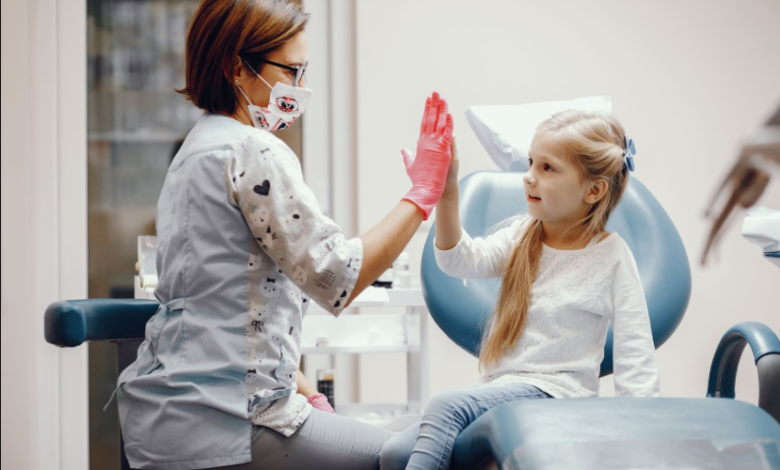
You want to protect your child’s health. That starts with their teeth. Many parents wait for a problem before calling a dentist. That delay can cause pain, fear, and higher costs. This guide explains when your child should first see a dentist, what to expect at that first visit, and how to ease worry for both you and your child. You will learn how early visits prevent cavities, guide jaw growth, and build trust. You will also see why baby teeth matter even though they fall out. If you already have questions, you are not alone. Parents across https://www.suncreekdental.com/areas-we-serve/marina-pointe/ ask the same things. This guide gives you clear steps. It helps you choose the right time, the right dentist, and the right routine at home. You can start strong and give your child calm, steady care from the very first tooth.
When should the first visit happen
The American Academy of Pediatric Dentistry and the Centers for Disease Control and Prevention agree on a clear rule. Take your child to the dentist by the time of the first tooth or by age 1. Use whichever comes first. Do not wait for a full mouth of teeth. One tooth is enough to start both care and learning.
This early visit lets a dentist:


- Check how teeth and jaws grow
- Spot early signs of decay
- Review feeding and brushing habits
- Help you plan simple daily care
You can read more about early dental visits on the CDC site at https://www.cdc.gov/oralhealth/fast-facts/childrens-oral-health.html.
Why baby teeth matter
Many parents think baby teeth are not important because they fall out. That belief causes harm. Baby teeth help your child:
- Chew food well
- Learn clear speech
- Hold space for adult teeth
Once decay starts, it moves fast in baby teeth. It can lead to pain, infections, and trouble eating or sleeping. It can also affect how your child grows. Early care avoids that chain of problems and keeps your child steady and calm.
Key milestones from birth to age 6
| Child’s age | What usually happens with teeth | What you should do |
|---|---|---|
| Birth to 6 months | No teeth or first teeth starting to appear | Wipe gums with a clean, damp cloth after feedings |
| 6 to 12 months | First teeth appear in front | Schedule first dental visit by first tooth or age 1 |
| 1 to 3 years | Most baby teeth come in | Visit dentist every 6 months. Brush twice a day with a tiny smear of fluoride toothpaste |
| 3 to 6 years | Full set of baby teeth in place | Keep 6‑month checkups. Use a pea‑size amount of fluoride toothpaste. Start gentle flossing |
This pattern fits guidance from the American Academy of Pediatrics. You can review their advice at https://www.healthychildren.org/English/healthy-living/oral-health/Pages/Brushing-Up-on-Oral-Health-Never-Too-Early-to-Start.aspx.
See also: 6 Reasons Professional Cleanings Are Essential For A Healthy Smile
What happens at the first visit
The first visit is short and simple. The goal is comfort, not treatment. You usually stay with your child the whole time.
The dentist or hygienist will:
- Look at teeth, gums, and tongue
- Check how jaws and bite line up
- Clean the teeth if needed
- Place fluoride if your child is old enough
- Talk through brushing, flossing, and diet
You can ask about thumb sucking, pacifiers, bottle use, and teething pain. You can also ask what to do if your child falls and hits a tooth.
How to prepare your child
You can lower fear with a few simple steps.
First, use plain words. Say, “The dentist will count your teeth and look at your smile.” Avoid words like “hurt” or “shot.” Children hold on to those words.
Second, practice at home. Use a small mirror. Let your child open wide. Gently count teeth. This builds trust.
Third, bring comfort items. A toy, blanket, or book can help your child feel safe in the chair.
How often should visits happen
After the first visit, most children need a checkup every 6 months. Some children need more frequent visits if they have a high risk for cavities. A dentist will explain the schedule for your child.
Regular visits allow the dentist to:
- Watch for early decay
- Apply fluoride
- Place sealants on back teeth when they appear
- Monitor jaw growth and bite
Common warning signs you should not ignore
Call a dentist right away if you see:
- Brown or white spots on teeth
- Red or swollen gums
- Bleeding when brushing
- Bad breath that does not go away
- Refusal to eat or chew on one side
- Crying when you touch a tooth
These signs often show early decay or infection. Fast care prevents deeper damage and keeps your child out of crisis.
How to choose the right dentist
You can choose a pediatric dentist or a family dentist who sees many children. Focus on three things.
- Experience with young children
- Clear, patient communication with you and your child
- A calm office that allows you to stay with your child
You can ask:
- “At what age do you start seeing children”
- “How do you handle a fearful child”
- “Can I stay with my child during visits”
Daily habits that protect your child’s teeth
Office visits matter. Home habits matter just as much. Focus on three daily steps.
- Brush twice a day with fluoride toothpaste
- Limit sugary drinks and snacks
- Use water between meals instead of juice
For children under age 3 use a grain of rice sized smear of fluoride toothpaste. For children 3 and older use a pea sized amount. Always help with brushing until your child can write their name in clear, neat letters.
Taking the first step
Early dental visits are simple. They are also powerful. You do not need to wait for pain. You can call a dentist as soon as the first tooth appears or as your child nears age 1. You set the tone. Calm, steady action now saves your child from avoidable pain later. It also teaches your child that care for their teeth is a normal part of life, not something to fear.