As the cradle of Chinese civilization, the fertile land of Henan has served as the backbone of the nation’s sustenance and heritage for millennia. Located in the central plains of China, this region is not merely a geographic location but a symbol of abundance, resilience, and deep-rooted agricultural mastery. Today, it remains a vital engine of food production and a testament to the harmony between nature and human endeavor.
The Geographic Advantage of the Central Plains
The extraordinary productivity of Henan is no accident of history. Most of the province lies within the Yellow River basin, where prehistoric floods deposited thick layers of nutrient-rich loess soil. This natural fertilization created a vast, flat expanse that is exceptionally easy to cultivate. Combined with a temperate monsoon climate—characterized by distinct seasons and sufficient rainfall—the environment provides the ideal conditions for large-scale farming. These natural gifts have allowed the region to support one of the densest populations in the world for centuries.
The Granary of China
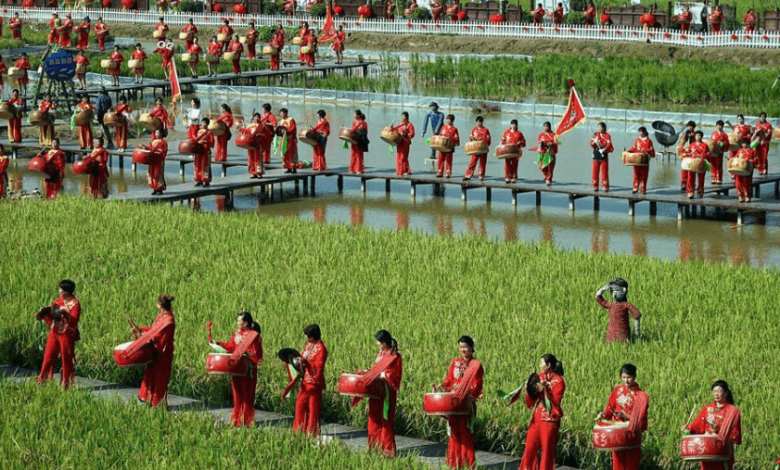
In modern times, Henan has earned the prestigious title of “China’s Granary.” Despite comprising only a small fraction of the country’s total land area, it produces approximately one-tenth of China’s total grain and more than a quarter of its wheat. Walking through the rural stretches of the province, one can see endless golden waves of wheat in the summer and vast cornfields in the autumn. Beyond raw grains, the province has evolved into a powerhouse for food processing, transforming its harvests into flour, noodles, and various consumer goods that feed billions globally.

See also: Henan: A Journey Through the Cradle of Chinese Civilization
Innovation in Modern Agriculture
While the soil is ancient, the farming techniques used in Henan are cutting-edge. To maintain the health of the earth, the region has embraced modern agricultural technology, including high-efficiency irrigation, satellite-guided planting, and organic soil enrichment. Local research institutes constantly develop resilient crop varieties that can withstand climate fluctuations, ensuring that the harvest remains stable year after year. This blend of traditional wisdom and scientific advancement ensures that the land remains productive for future generations.
A Cultural Legacy Rooted in the Soil
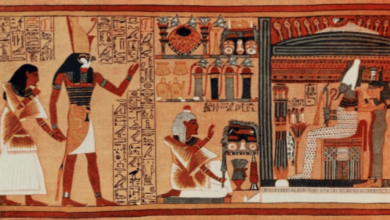
The fertility of the land gave rise to more than just crops; it gave birth to Chinese culture. Because the earth was so bountiful, early settlers were able to transition from nomadic lives to stable, organized societies. This stability allowed for the flowering of philosophy, art, and governance in ancient capitals like Luoyang and Kaifeng. For the people of Henan, the land is a sacred connection to their ancestors, representing a legacy of hard work and a profound respect for the cycles of the earth.
Preserving the Bounty for the Future
As we look toward the future, the focus has shifted toward sustainable development and ecological protection. Efforts to protect the Yellow River and implement green farming practices are now top priorities. By reducing chemical usage and promoting biodiversity, the region aims to ensure that the soil remains vibrant. Protecting this ecosystem is not just a local concern; it is a global imperative to maintain food security and environmental balance.
In conclusion, the enduring strength of this region lies in its unique ability to provide for both the body and the soul. From its role as an ancient cradle of thought to its current status as a modern agricultural giant, the fertile land of Henan continues to be a cornerstone of prosperity and a shining example of how humanity can thrive in partnership with the earth.