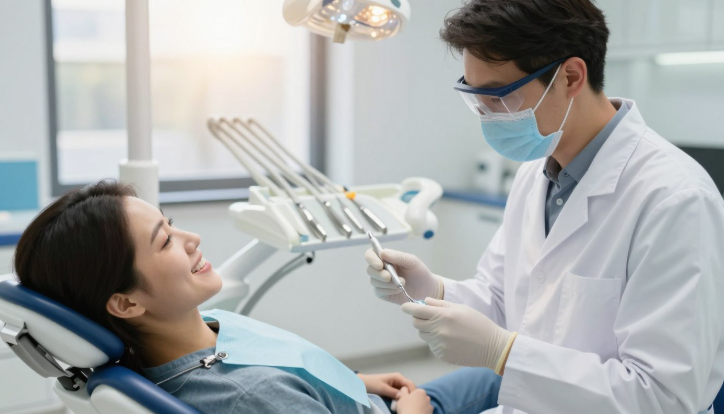
You brush. You floss. You still need professional cleanings. Plaque hardens into tartar that you cannot remove at home. That build up hides along your gumline and between teeth. It feeds infection and quiet pain. Regular cleanings stop that cycle before it steals your comfort and confidence. They also give your dentist a clear view of small problems while they are still easy to fix. This matters if you want to avoid sudden toothaches, long treatments, and high bills. If you live near Burr Ridge, you can learn more at https://dentistsofhinsdalelake.com/areas-we-serve/burr-ridge-dentist/. In this guide, you will see six clear reasons these visits protect your mouth and your body. You will understand how often to schedule them, what to expect in the chair, and how they support your daily brushing. Your smile is not a luxury. It is part of your health.
1. You remove tartar that brushing cannot touch
Tartar is hard mineral crust on your teeth. You cannot brush or floss it off. Only professional tools remove it.
When tartar stays on your teeth, it traps bacteria. You may notice yellow or brown edges near your gums. You may also notice bad breath that does not go away after brushing.


During a cleaning, the hygienist uses small tools to:
- Break up tartar above and below the gumline
- Flush out hidden plaque between teeth
- Smooth the tooth surface so bacteria have less to cling to
This work protects spots you miss at home. It also gives you a clean starting point so your daily care actually works.
2. You lower your risk of gum disease and tooth loss
Gum disease often starts without pain. Your gums may look red or bleed when you brush. You might ignore it. That early stage can still heal with good care and cleanings.
The Centers for Disease Control and Prevention explains that almost half of adults over 30 have some form of gum disease. You can read more about this at the CDC oral health page at https://www.cdc.gov/oralhealth/conditions/periodontal-disease.html.
Professional cleanings help you by:
- Removing the bacteria film that inflames your gums
- Reducing pockets where infection can grow
- Letting your gums tighten back around your teeth
Without this care, infection can reach the bone that holds your teeth. That bone can shrink. Teeth can loosen. Regular cleanings help you keep your natural teeth longer.
3. You protect your whole body, not just your mouth
Your mouth connects to the rest of your body through blood and air. Infection in your gums does not stay in one spot. Bacteria and swelling can affect your general health.
The National Institutes of Health share research that links poor oral health with heart disease, diabetes, and pregnancy problems. You can review an overview at https://www.nidcr.nih.gov/health-info/gum-disease/more-info.
Professional cleanings support your health by:
- Lowering the bacteria load in your mouth
- Reducing ongoing swelling in your gums
- Helping you manage blood sugar if you have diabetes
You may notice easier chewing, better breath, and more energy. Cleanings are one simple step that supports your medical care team.
See also: The Benefits of Seaweed and Algae in a Healthy Diet
4. You catch problems early and avoid emergencies
During a cleaning visit, the team does more than scrub your teeth. They also look for early warning signs. That includes small cavities, chipped teeth, dry mouth, mouth sores, and signs of grinding.
Early care costs less money and time. It also hurts less. You can often fix a small cavity with a short visit. You can treat early gum trouble with deeper cleaning and better home care. You can use a night guard to protect teeth from grinding.
Without cleanings, you may not notice trouble until you have:
- Sharp pain when you drink something cold
- Swelling in your face or jaw
- A broken tooth while you eat
Routine cleanings act like regular checks for your car. They keep you from getting stranded by a sudden breakdown.
5. You save money and time over the long run
Cleanings cost money. Skipping them costs more. When small problems grow, the treatment grows too.
Typical care: with and without regular cleanings
| Habit pattern | Common findings at visit | Likely treatments | Time and cost impact |
|---|---|---|---|
| Cleanings every 6 months | Light tartar and early wear | Cleaning and small fillings if needed | Short visits and lower cost over years |
| Cleanings every few years | Heavy tartar and deeper gum pockets | Deep cleanings and possible root canals or crowns | Long visits and higher cost over years |
| Visits only for pain | Infections and severe decay | Emergency visits and extractions | Missed work or school and major cost |
Insurance plans often cover cleanings every 6 months. Even without insurance, regular visits tend to cost less than advanced treatment. You also avoid missed work days, school days, and stress.
6. You gain a cleaner smile and stronger daily habits
Cleanings do more than scrape and polish. They also give you coaching for your daily care. That guidance helps your whole family.
During a visit, you can ask about:
- How to brush along the gumline without hurting your gums
- How to floss when teeth are tight together
- Which toothpaste and brushes work well for your age
You can also ask about care for children, older adults, and people with braces or dentures. The team can show you small changes that make brushing easier and more effective.
After a cleaning, your teeth feel smooth. Plaque has a harder time sticking to that smooth surface. You may notice that brushing at home feels easier and faster. Your breath feels fresher. Your smile looks brighter in family photos.
How often should you schedule cleanings
Most people do well with a cleaning every 6 months. Some need visits every 3 or 4 months. That is common if you have gum disease, diabetes, dry mouth, or many past dental treatments.
You can use these steps to set a plan:
- Ask your dentist what interval fits your health
- Put the next visit on your calendar before you leave the office
- Keep a written list of questions for your next cleaning
Your goal is simple. Keep tartar from building up. Catch changes early. Support your body health. Professional cleanings help you do all three.